
Why Does My Toilet Keep Clogging? Causes and the Real Fix
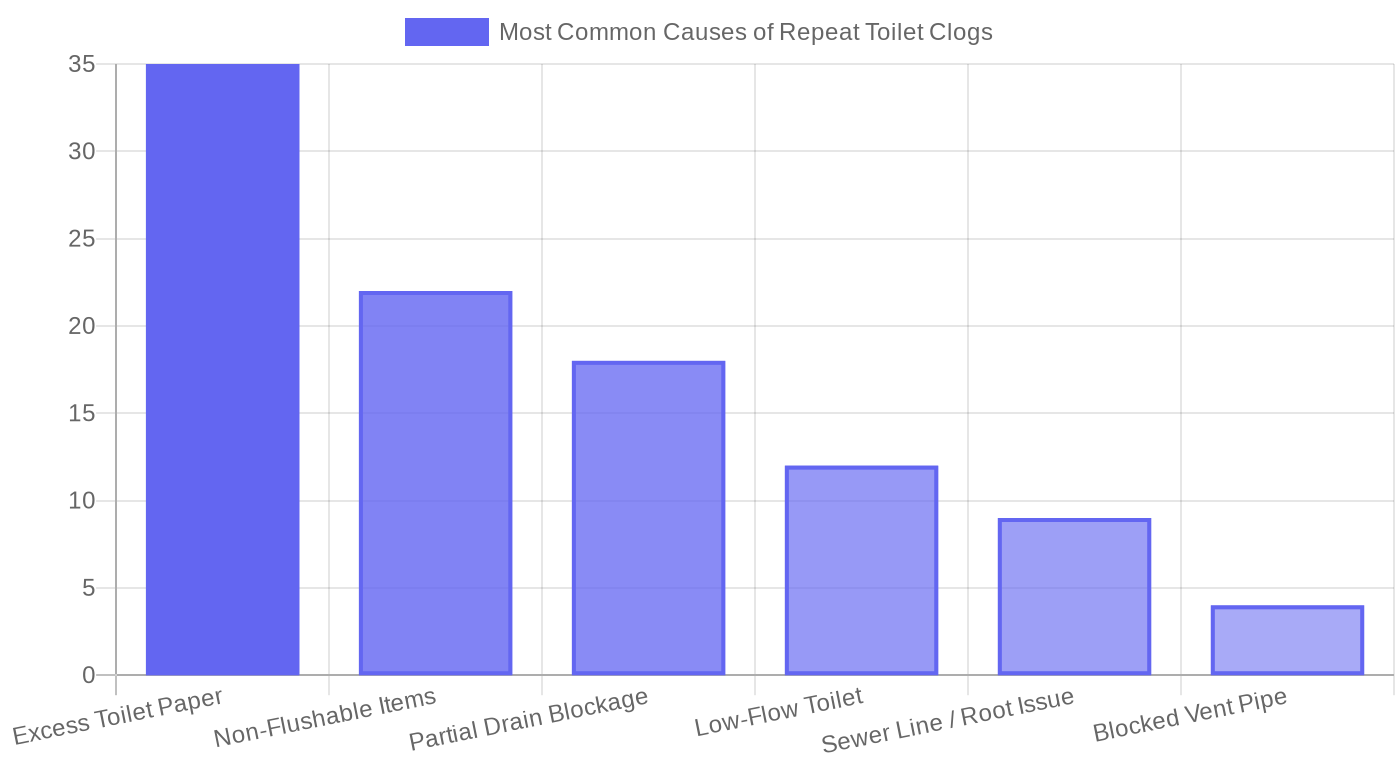
A toilet that keeps clogging is usually caused by one of five things: excess toilet paper, a partial drain blockage, a weak low-flow flush, a blocked trap or vent pipe, or a deeper sewer line issue. Identifying which cause applies to your situation is the key to choosing a real fix — not just plunging the same clog every week.
Common Reasons Your Toilet Keeps Clogging
It’s frustrating to deal with a toilet that repeatedly clogs. While plunging might offer temporary relief, understanding the underlying causes is crucial for a lasting solution. Many issues stem from simple overuse or the introduction of inappropriate materials into the plumbing system.
Too Much Toilet Paper or Non-Flushable Items
The most frequent culprit behind a clogged toilet is simply using too much toilet paper at once. Modern toilet paper is designed to break down, but excessive wads can overwhelm the drain. Even items labeled as “flushable,” such as wet wipes, often don’t disintegrate quickly enough and can contribute to a stubborn blockage. These non-flushable items are a leading cause of plumbing emergencies, especially in older homes where pipes may be narrower.
A study on residential sewerage-line clogging found that “toilet tissue type affects clogging frequency, with some tissues producing higher clogging rates in residential sewer lines.” This highlights how even the type of paper you use can play a role in preventing a toilet from clogging.
Partial Blockage Sitting in the Drain Line
Sometimes, a clogged toilet isn’t a complete obstruction but rather a partial one that’s developed further down the drain line. This means water can slowly pass, allowing the toilet to appear to function normally after a flush, but solids can get caught. Over time, this accumulation leads to recurring clogs, as each flush adds to the existing blockage. These partial obstructions can be difficult to diagnose without professional tools.
Hard Water Mineral Buildup Narrowing the Passage
Des Moines, like many areas in Iowa, experiences moderately hard water. Over time, minerals like calcium and magnesium can deposit on the inside of your toilet’s trapway and drain lines. This mineral buildup gradually narrows the passage, making it easier for toilet paper and waste to catch and create a clog. If you notice a decrease in flushing power or a toilet that clogs more frequently, mineral deposits could be the reason.
Homes with young children are also more prone to unexpected blockages. Toys, small objects, or even excessive amounts of toilet paper can be flushed, leading to a toilet that clogs without immediate parental discovery.
Why Low-Flow Toilets Clog More Than You’d Expect
The advent of low-flow toilets, mandated in the mid-1990s, aimed to conserve water. However, early models often struggled to achieve a powerful enough flush to clear the trapway effectively. This can lead to a toilet that keeps clogging, even with normal usage.
First-Generation Low-Flow Models vs. Modern Designs
Older low-flow toilets typically use 1.6 gallons per flush (GPF). While this conserves water compared to older 3.5 GPF models, some designs simply lacked the necessary siphonic action or water volume to push waste through the trap. This is a common issue in many Des Moines homes built or remodeled during that era. Modern WaterSense-labeled toilets, however, use 1.28 GPF or less but employ advanced designs, such as pressure-assisted systems or optimized trapways, to ensure a robust flush.
EPA WaterSense says a WaterSense-labeled toilet uses 1.28 gallons per flush or less, compared with older toilets that may use 3.5 gallons per flush or more.
How to Tell If Your Toilet Lacks Flushing Power
A simple test can help determine if your toilet has weak flushing power. After flushing, observe the water in the toilet bowl. If the water level rises significantly, or if the flush only creates a weak swirl without forcefully pushing the contents down, it’s a strong indicator of insufficient flushing power. This is a common reason a toilet keeps clogging, even when you’re careful about what you flush.
In some cases, replacing an older, underperforming low-flow toilet with a modern, efficient model can be more cost-effective in the long run than repeatedly calling a plumber to unclog it.
How to Fix a Toilet That Keeps Clogging (DIY Methods)
Before you call a professional, there are a few DIY methods that can often resolve a recurring toilet clogging issue. These techniques are best suited for minor obstructions and can save you time and money.
The Right Way to Use a Plunger
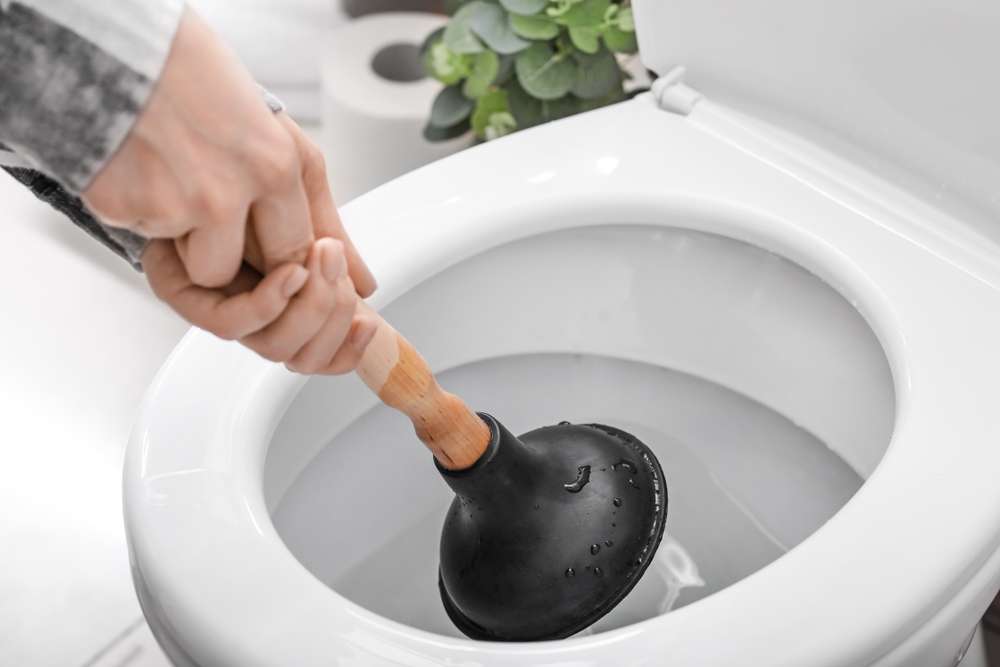
Many people grab a standard cup plunger for a clogged toilet, but this is often the wrong tool. For toilets, a flange plunger (also known as a toilet plunger) is essential. It has an extra flap that extends to create a better seal in the toilet’s drain opening. To use it effectively:
- Ensure there’s enough water in the bowl to cover the plunger head.
- Insert the plunger into the bowl, ensuring the flap is extended into the drain opening.
- Create a tight seal.
- Give it a few firm, steady pumps. Avoid vigorous up-and-down motions, which can splash water.
- Break the seal and check if the water drains. Repeat if necessary.
A proper plunge can often dislodge soft clogs caused by excess toilet paper or waste.
When to Reach for a Toilet Auger
If a plunger doesn’t do the trick, a toilet auger (also called a closet auger) is the next step. This tool is specifically designed to navigate the curves of a toilet’s trapway. It features a flexible cable with a hook or corkscrew end that can break up or retrieve obstructions.
- Gently feed the cable into the toilet drain.
- When you feel resistance, crank the handle to rotate the cable and break through the blockage.
- Continue to crank and pull back to retrieve any debris.
Using a toilet auger requires a bit more care to avoid scratching the porcelain, but it’s effective for objects or tougher clogs stuck in the trap.
The Hot Water and Dish Soap Technique
For organic clogs, a simple mixture of hot water and dish soap can sometimes work wonders. Pour a generous amount of dish soap into the toilet bowl, letting it sit for a few minutes to lubricate the drain. Then, carefully pour a bucket of hot (but not boiling) water from about waist height into the bowl. The heat and soap can help break down and loosen the clog, allowing it to be flushed away.
Warning: Avoid using chemical drain cleaners. They can damage the porcelain glaze, corrode older pipes (common in Des Moines homes built before the 1970s, which may have cast-iron plumbing), and are harmful to the environment. If a DIY method only provides temporary relief and the toilet keeps clogging within a week, it’s time to consider a deeper issue.
When a Clogged Toilet Means a Bigger Plumbing Problem
If you’ve tried the common DIY fixes and your toilet continues to clog, it’s a strong signal that the problem lies deeper within your plumbing system. These issues often require professional diagnosis and repair.
Blocked Vent Pipe Symptoms
Your home’s plumbing system relies on a vent pipe, usually extending through the roof, to allow air into the system. This air pressure is crucial for proper drainage. If the vent pipe becomes blocked—by leaves, debris, bird nests, or even ice during Des Moines’s cold winters—it can create negative pressure. This prevents water from draining properly, leading to slow drains, gurgling sounds from fixtures, and, yes, a toilet that repeatedly clogs.
Symptoms of a blocked vent include:
- Gurgling sounds from drains, especially when flushing a toilet.
- Slow draining in sinks and showers throughout the house.
- Unpleasant sewage odors emanating from drains.
- Toilets that don’t flush completely or refill slowly.
Main Sewer Line Obstructions and Tree Root Intrusion
The most serious cause of recurring toilet clogs is an obstruction in the main sewer line that connects your home to the city’s sanitary sewer system. In Polk County, with its many mature trees, tree root intrusion is a very common problem. Roots seek out water and can infiltrate older clay or Orangeburg sewer pipes, creating significant blockages. The freeze-thaw cycles common in Iowa’s climate can also cause the ground to shift, leading to pipe joints separating or creating “bellies” in the line where waste can accumulate.
When our technicians at Des Moines Drain and Sewer encounter persistent clogs, we often suspect a main line issue. We use advanced sewer cameras to pinpoint the exact location and nature of the problem, whether it’s roots, collapsed pipes, or foreign objects.
A study on residential sewerage-line clogging found that “toilet tissue type affects clogging frequency, with some tissues producing higher clogging rates in residential sewer lines.”
Source: BioResources / North Carolina State University-hosted journal
What a Plumber Actually Does That You Can’t Do Yourself
While DIY methods can handle minor clogs, professional plumbers have specialized tools and expertise to tackle more complex issues. When your toilet keeps clogging, a plumber can provide solutions that DIY approaches cannot.
Hydro Jetting vs. Snaking: Which One You Need
A professional drain snake, or auger, is far more powerful and longer than a consumer-grade one, often reaching 50 to 100 feet into the drain line. It’s effective for breaking up many types of clogs. However, for stubborn buildup like grease, scale, or dense root masses, hydro jetting is the superior method. This process uses high-pressure water (3,000–4,000 PSI) to scour the inside of the pipes, completely clearing them.
Hydro jetting is not a DIY task and requires specialized equipment and training. It’s particularly effective for cleaning out entire sewer lines, not just clearing a single blockage.
Sewer Camera Inspection and Line Location
The most definitive way to diagnose recurring clogs is through a sewer camera inspection. A small, high-definition camera is fed into the sewer line, providing a live video feed of the pipe’s interior. This allows a plumber to identify precise issues like cracks, offsets, bellies, and the exact location and extent of root intrusion. This diagnostic step is invaluable for determining the most effective and cost-efficient repair strategy.
For homeowners in older Des Moines neighborhoods, especially those with mature trees, a camera inspection is often the key to understanding why their toilet keeps clogging. Our technicians at Des Moines Drain and Sewer frequently find that repeat toilet clogs trace back to a single root intrusion point 20–40 feet from the house. A camera inspection not only identifies the problem but can also help locate the precise spot for targeted repairs.
How to Stop Your Toilet from Clogging Again
Preventing future clogs is about adopting good habits and, when necessary, making smart upgrades to your plumbing. Addressing the root cause, rather than just the symptom, is key to a problem-free toilet.
Habit Changes That Actually Work
Simple adjustments in how you use your bathroom can significantly reduce the frequency of clogs. Be mindful of the amount of toilet paper you use per flush; folding it instead of wadding it up can make a difference. If you have a large amount of paper, consider flushing twice. Most importantly, never flush anything other than human waste and toilet paper. This includes “flushable” wipes, paper towels, feminine hygiene products, cotton swabs, and dental floss, all of which can cause serious plumbing issues.
Upgrades Worth the Investment
If your toilet is an older model, especially a first-generation low-flow unit, consider upgrading to a modern, WaterSense-labeled toilet. These toilets use 1.28 GPF or less but are designed for powerful flushing, often with a MaP (Maximum Performance) score of 600 grams or higher, meaning they can effectively clear a significant amount of waste. Replacing an older toilet can save water and reduce the likelihood of clogs. EPA WaterSense states that replacing an older toilet with a WaterSense toilet can save the average family “about 13,000 gallons of water per year and more than $140 annually in water costs.”
For those looking to drastically reduce toilet paper consumption, installing a bidet attachment is a practical and eco-friendly solution. Additionally, for homes in areas like West Des Moines, Urbandale, and Ankeny with established landscaping, scheduling preventive drain cleaning annually, especially before Iowa’s harsh winters, can help ensure your sewer lines remain clear and prevent costly freeze-ups or backups.
Related Video
Frequently Asked Questions
How do I stop a toilet from constantly clogging?
To stop a toilet from constantly clogging, flush only toilet paper and human waste, and avoid wipes, paper towels, feminine products, and other non-flushables. If the toilet still clogs with normal use, the problem may be low flushing power, an incorrectly set tank float, or a partial blockage in the trap or drain line that needs to be cleared or repaired.[1][5][9]
What do plumbers recommend to unclog a toilet?
Plumbers usually recommend starting with a flange-style plunger because it creates the best seal and can force a partial clog through the trap and drain line. If plunging does not work, they often use a toilet auger to break up or retrieve the blockage, and they avoid chemical drain cleaners because those can damage the pipes.[1][9]
How can you unclog a toilet quickly without special tools?
The fastest no-special-tools method is to add a little dish soap if you have it, then use hot tap water carefully and let it sit briefly to help loosen the clog. If you do not want to use soap, repeated firm plunging with a proper toilet plunger is the quickest hands-on option that often clears the blockage.[7][1]
What is the most common cause of a clogged toilet?
The most common cause of a clogged toilet is flushing things that should not go down the toilet, especially wipes, paper towels, feminine products, cotton items, and too much toilet paper at once. In many cases, repeated clogs are caused by a partial blockage that keeps catching waste because the toilet is not clearing the bowl with enough force.[4][14][1]
When should I call a plumber instead of trying to fix a clogged toilet myself?
Call a plumber if the toilet keeps clogging after plunging, if you need to use an auger repeatedly, or if you notice slow drains, sewer odors, or backups in other fixtures. Those signs point to a deeper problem in the vent, branch drain, or main sewer line, which is the kind of issue Des Moines Drain and Sewer can diagnose and clear safely.[1][5][10]
Serving Des Moines, IA & Surrounding Areas
West Des Moines • Urbandale • Clive • Johnston • Windsor Heights • Ankeny
(515) 349-0902Final Thoughts
Reinforce that a toilet clogging once is normal but a toilet clogging repeatedly is a symptom — encourage readers to diagnose the root cause using the article’s framework before spending money on the wrong fix. Close with a low-pressure mention that Des Moines Drain and Sewer offers camera inspections to take the guesswork out, with the phone number (515) 349-0902 for Des Moines, West Des Moines, and surrounding Polk County communities.. If you need expert help with why does my toilet keeps clogging in Des Moines, IA, Des Moines Drain and Sewer is ready to assist. Call (515) 349-0902 to schedule fast, reliable service today.
